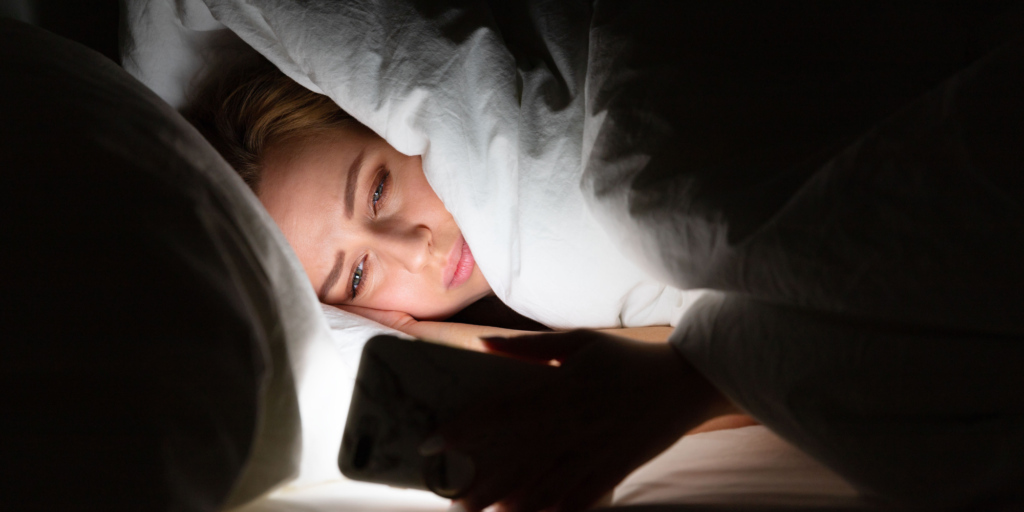
Check out our free confidential online mental health assessment tools!

One defining feature that separates psychologists from other mental health professionals is our training in and commitment to the development of high-quality, accurate, and scientifically-tested instruments to measure and assess psychological attributes. For the past seventy-five years, psychologists have developed many thousands of surveys and questionnaires that have been subjected to extensive scientific study to determine their accuracy and their ability to make meaningful predictions about people.

At Great Lakes Psychology Group, we are pleased to offer a sampling of these tools to help visitors to our website assess whether they may suffer from a mood disorder, such as anxiety or depression, determine whether they show signs of Attention Deficit Disorder, or assess their marital or relationship satisfaction. These are the first of what we intend to make a large selection of assessment instruments to further our goal of promoting free, accurate psychological information to the general public.

So go ahead, take one for a spin by CLICKING HERE. It’s free, informative, and completely confidential.

Of course, although these tools are highly regarded and are among the best available, they are no substitute for a thorough assessment by a trained and licensed mental health professional. If you suspect that you or a friend or loved one are suffering with emotions or behaviors that take the fun out of living and prevent normal daily functioning, please feel free to contact us. We’re here to help.

Cognitive Behavioral Therapy for Anxiety

Cognitive Behavioral Therapy is the most widely used and effective treatment for anxiety disorders. CBT sessions aimed at treating anxiety focus on teaching the individual more adaptive ways of dealing with fear. Exposure therapy, or “baby steps” toward the feared object, is often used in phobia cases, and has been shown to be highly effective. CBT is effective in combating anxiety because it not only treats the symptoms, as with relaxation training, but also deals with the underlying thoughts, beliefs, and attitudes that have been show to be a risk factor for mood disorders. During therapy, the individual is taught essential coping and problem-solving skills that can be used in dealing with anxiety-triggering situations. During treatment, patients are taught to restructure thought patterns that lead to anxiety symptoms, thereby circumventing the anxiety. The techniques learned in sessions can be utilized in everyday life so that the benefits of counseling will extend beyond termination.

Self-Help for Adult ADD/ADHD

A person with adult ADD/ADHD can benefit from implementing some lifestyle change strategies for a more efficient and productive everyday life.  Some of these lifestyle changes are:

Regular exercise:  20-30 minutes of exercise 3-5 times a week can help release energy, promote an overall sense of well-being and improve your health dramatically.  It also helps to release stress in a positive way, and can aid in relieving depression and anxiety.

Get enough sleep for your body:  although each person requires a different amount of sleep, it is important to realize the amount you need and make sure you are getting enough each night.  Tiredness can exacerbate stress and make tasks much more difficult to complete.

Time management: Set deadlines for every task and stick to them.  Utilize the calendar on your smart phone and set reminders for yourself. Don’t let tasks build up, as this may encourage procrastination by making the tasks seem overwhelming.

Write things down:  Writing down tasks will help you to remember them.  Keep a planner with you at all times and make lists.

Though lifestyle changes may help ADD/ADHD symptoms, if you believe you may have ADD/ADHD, seek a professional evaluation and treatment.  Adult ADD/ADHD can be treated effectively.

Michelle Connelly, MA, LPC, NCC is a licensed Professional Counselor at Great Lakes Psychology Group with over 10 years of academic and clinical experience.  Though Michelle has extensive experience in a full spectrum of mental health issues, her specialties include ADD, ADHD, Asperger’s syndrome and behavioral issues.
Read More

Eating Disorders Awareness Week

National Eating Disorders Week falls on February 26 through March 3, 2012.  The initiative is meant to raise awareness of, and provide accurate information about, eating disorders.  The National Eating Disorders Association has coined the theme of the week, “Everybody Knows Somebody.”  They hope to, not only raise awareness, but also prevent the occurrence of eating disorders.  In fact, in response to the high rate of teenagers with eating disorders, the National Eating Disorders Association has launched a new website aimed at adolescents and teenagers, called Proud2BMe (www.proud2bme.com).  The site offers an online community of peers and information with the goal of promoting positive body image and healthy attitudes about food.

Some facts about eating disorders:

  • Almost 10 million females and 1 million males suffers from an eating disorder
  • Peak onset of eating disorders occurs during puberty and late teens through early adulthood
  • More than 1 in 3 normal dieters progresses to compulsive dieting
  • The 3 most common eating disorders are: anorexia nervosa, bulimia nervosa, and binge eating disorder
  • There are often other psychological issues present such as depression and/or anxiety
  • Athletes are far more prone to eating disorders than non-athletes, especially female athletes

In response to National Eating Disorders Week, Great Lakes Psychology Group is offering a free phone consultation for anyone seeking help for an eating disorder.

Dr. Kerry LeahyKerry Leahy, Ph.D. has 10 years of clinical experience providing psychotherapy services for issues including depression, trauma and eating disorders.  Her therapeutic approach in treating eating disorders is warm and compassionate and includes the collaboration with a nutritionist and physician when necessary.  To receive a free phone consultation for an eating disorder, contact us at at 800-693-1916.

BINGE DRINKING MORE COMMON THAN PREVIOUSLY THOUGHT

A recent study released by the Centers for Disease Control indicates that binge drinking is far more common than previously thought, affecting 1 in 6 adults in the United States. The study reports that most drunk drivers binge drink, which accounts for half of the 80,000 alcohol-related driving deaths each year.

The authors define binge drinking among men as 5 alcoholic beverages within a short period of time and 4 beverages for women. Binge drinking was found to be twice as likely among men as women, and the highest prevalence of binge drinking was found in the ages 18 to 34 age bracket. Moreover, the highest frequency of binge drinking occurred in those 65 and older.  The income group most likely to binge drink earns $75,000 a year or more annually, while the income group that binge drinks the most often and drinks the most during each binge is $25,000 and below.

These findings come on the heels of another recent study that indicated that individuals involved in romantic relationships with binge drinkers are far more likely to binge drink themselves, suggesting that binge drinking may be “contagious” for individuals who otherwise would not become binge drinkers.

One of the most noteworthy implications of these findings is that binge drinking, which in many cases may not meet the traditional medical diagnostic criteria for alcoholism, represents a far greater personal and public health risk than previously thought. These findings also represent a continuing trend toward broadening our understanding of the multiple ways in which problematic drinking can reduce health and quality of life even when an individual does not meet the traditional definition of “alcoholic”.

If you, or someone you know needs help with binge drinking, please contact Great Lakes Psychology Group at (800) 693-1916.

Give Thanks. You’ll Feel Better For It.

With the Thanksgiving holiday upon us, many of us will be taking this opportunity to express gratitude to the people who have touched our lives in the past year. And while most of us recognize that expressing thanks feels good in the moment, researchers have shown that maintaining an “attitude of gratitude” may result in improved health, better sleep, reduced vulnerability to anxiety and depression, increased long-term satisfaction with life, and kinder behavior toward others.

These findings are consistent with other psychological research that suggests that one’s attitude can have a profound effect upon mood, perception, and general outlook. In fact, research suggests that expressing gratitude can even inhibit the likelihood that an individual will retaliate aggressively when provoked. In a recent study at the University of Kentucky, for instance, students who had written an essay about things for which they were grateful were far less likely to retaliate while playing a video game against an instructor who had given them a negative evaluation than those who had not written the essay.

Experts speculate that gratitude bestows health benefits because it strengthens interpersonal bonds, which have been shown to be highly important to emotional and physical health. Study after study in the developing field of happiness suggests that the extent and depth of an individual’s social support network predicts their levels of happiness, optimism, and positive outlook on life.  Another benefit of gratitude is that it directs our attention to the good things in our lives rather than our problems or sources of dissatisfaction.

At Great Lakes Psychology Group, we suggest that most will benefit from greater attention to the expression of gratitude, and recommend that people keep a “gratitude journal” in which they record on a regular basis a small number of things for which they are grateful, such as the affection of their spouse and children, their health, their freedom, etc., and that they review the list regularly. Another often-recommended exercise is to compose a gratitude message to someone who has positively influenced your life and to read it to the person, slowly and deliberately, preferably during a surprise visit. Studies suggest that these sorts of gratitude exercises result in increased happiness, optimism, increased satisfaction with life, self-esteem, and positive outlook for months beyond the completion of the exercise.

Effects of Domestic Violence

Domestic violence is a significant public health problem. According to national surveys, a minimum of 1.5 million women experience abuse by a male romantic partner annually in the United States with about 4.8 million incidents of domestic violence perpetrated against women yearly. Community-based surveys also suggest high rates of domestic violence, estimating 12-month prevalance rates ranging from 18-57%.

Domestic violence includes psychological, physical, and/or sexual abuse, and can range from mild (shook a fist at you) to severe (hit or choked you).

The psychological effects of experiencing domestic violence are well-documented for both women and children. Abused women are at risk for developing a multitude of mental health problems, including depression, anxiety, posttraumatic stress disorder, dissociation, substance abuse, low self-esteem, and physical ailments without medical cause.

Children exposed to domestic violence are also at high risk for developing mental health problems. Child witnesses exhibit anxiety, depression, trauma symptoms, and aggressive behavior. Furthermore, exposure to domestic violence in childhood is related to perpetration of partner violence in adulthood.

Despite the significant psychological toll of domestic violence, many women do not seek help due to feelings or powerlessness, helpessness, or shame, or due to fear that the abuse will escalate. However, help is available. Health providers are increasingly aware of the prevalance and consequences of domestic violence, as well as effective interventions. If you or someone you know is experiencing domestic violence, seek help today!

Increasing Positivity and Satisfaction in Your Marriage

Research shows that happy couples have a 5:1 ratio of positive to negative interactions. What does this mean for couples who could use a little improvement in happiness and satisfaction? Well, by increasing the amount of positivity you put into your relationship, you will also increase your own satisfaction with that relationship. Many times couples are interested in waiting for the other partner to change first. The thought goes something like this, “I’m not the one that needs to change, he/she needs to change first. I know I’m not perfect but I’m not going to change what I’m doing until I see him/her making an effort first!” This line of thinking tends to be counterproductive. If you are waiting for your spouse or partner to change first, you could be waiting a very long time. My advice to couples is to control what you have control over, yourself.

There are several ways to increase the positivity ratio in your marriage or relationship. The simplest way is to increase your daily dose of compliments and encouragement for one another. Sometimes it may seem difficult to give your partner a compliment every day, but if you look closely enough, you will find something they did that deserves a compliment. The key to giving compliments and encouragement is to personalize these statements by using “I.” Instead of saying, “You did a nice job trimming the hedges” say, “I really like the way the hedges look after you trimmed them up; I appreciate you doing that today.”

At this point, you may be asking yourself “How does giving my spouse compliments benefit me?” The answer lies in your ability to successfully connect with your spouse or partner. By increasing your positivity ratio, you also increase connection in your relationship. Connecting in your marriage is like putting money in the bank or saving for a rainy day. It enhances the quality of your relationship and puts a positive spin on your daily interactions with your spouse. It shortens and smoothes out disagreements when they arise. It can also reduce the overall stress level in your relationship. When you focus on connecting and positivity in your marriage, you are saving up goodwill that can propel the relationship past arguments and conflicts. And yes, even happy couples have arguments and conflicts. You just have to remember to keep that 5:1 ratio of positive to negative interactions in order to maintain a healthy and happy marriage.

Differentiating Asperger’s Disorder and ADHD

Children diagnosed with Asperger’s Disorder and Attention Deficit Hyperactivity Disorder (ADHD) have many similarities at first glance.  Both can manifest problem behaviors, inattentiveness, sensory integration problems, poor coordination and impulsivity, and both respond positively to structure and routine.

Given that these disorders share so many similarities, accurate diagnosis is challenging.  In fact, the National Institutes of Health estimates that 60% to 70% of children with Asperger’s are initially misdiagnosed with ADHD.

While children with both disorders manifest problems with attention, careful observation often reveals that the attention problems in Asperger’s are quite different from that of ADHD.  For instance, in Asperger’s disorder, attention problems are attributed to a need for structured routines, language difficulties, obsessive rituals and self stimulating behaviors.  ADHD, on the other hand, compromises a child’s attention by disrupting the way information is processed in the central nervous system producing hyperactivity and impulsivity.

Some other differences between Asperger’s and ADHD include:

  • Children with Asperger’s have the ability to focus on an activity of interest, usually one activity that excludes everything else in his environment. Asperger’s children tend to focus on this one activity for long periods of time.  With ADHD, a child tends to focus on multiple activities but is easily distracted by his/her environment and jumps from one activity to another.
  • A child with Asperger’s can talk or play quietly.  A child with ADHD finds it difficult to play or talk quietly.
  • A child with Asperger’s may get upset if his routine or favorite activity is disrupted, but does not normally show a lot of emotion in public.  With ADHD, a child will express emotions directly and clearly.
  • Both Asperger’s and ADHD children have difficulties socially, especially when making friends.  With Asperger’s the child’s behavior is, at times, unusual or idiosyncratic so that the child is viewed as “weird” or “eccentric.”  With ADHD, the child’s behavior is very loud and chaotic and the child is viewed as “annoying” or “disruptive” to his peers.
  • Children with Asperger’s can be oppositional or defiant when trying to avoid something that makes them anxious or uncomfortable.  Children with ADHD are at times oppositional or defiant in an attempt to seek attention.

While Asperger’s Disorder and ADHD have many similarities on the surface and can both result in behavioral and social difficulties, it is essential to look beyond these similarities and distinguish between them so that the right diagnosis can be arrived at and the proper help can be offered.  Structured diagnostic evaluations and assessments are available that can assist in the appropriate diagnosis, intervention and treatment for each individual.


Welcome!

Welcome to the Great Lakes Psychology Group blog, where you will find news, commentary, and useful information about recent findings in psychology, mental health and substance use treatment, relationships, parenting, and what’s happening at our clinic in Clarkston, Michigan.  We look forward to using this forum to communicate, share information, and receive feedback from our readers, colleagues, and the community.  If you have suggested topics you would like us to address, we would love to hear from you!